
Riya used to end every night the same way pacing around her bedroom.
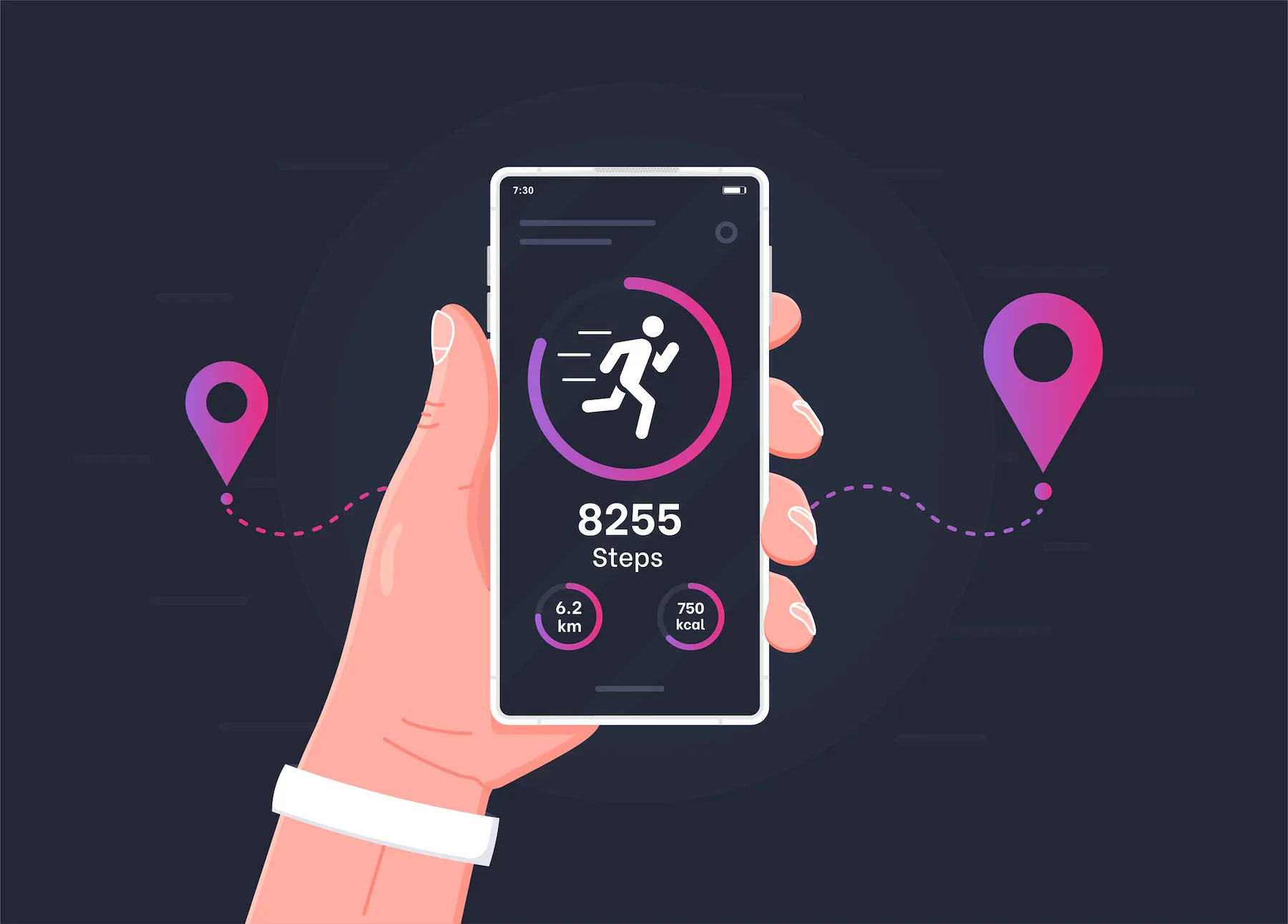
Phone in hand.
Fitness app open.
Steps: 8255
“NOOO,” she whispered dramatically, like she had just failed an exam.
So she walked. Around the bed. To the kitchen. Back to the hallway.
Her mom once asked if she had lost something. Riya just said, “Yeah… my health.”
Because somewhere along the way, she had learned one thing:
“If you don’t walk 10,000 steps a day, it doesn’t count.”
Where Did 10K Even Come From?
One evening, exhausted and slightly annoyed at her life decisions, Riya googled it.
She expected to find some intense scientific formula. Something about heart cells, oxygen saturation, elite longevity math.
Instead?
The 10,000-step goal originally came from a marketing campaign decades ago. A pedometer brand picked a catchy, round number that sounded impressive and it stuck.
Riya stared at her screen.
“So I’ve been stress-walking… for an advertisement?”
What Science Actually Shows
A few weeks later, Riya met her friend Arjun, who worked in sports science.
She proudly said,
“Today I only did 6,200 steps. Basically useless.”
Arjun almost dropped his coffee.
“Useless? That’s like saying one glass of water doesn’t matter unless you drink ten.”
He explained:
-
The biggest health benefits come when someone goes from very little movement → to moderate movement.
-
Risk for heart disease, early death, and metabolic problems drops a lot even at 6,000–8,000 steps for many adults.
-
After a point, benefits still increase — but more gradually, not magically at 10,000.
Her brain short-circuited.
“So my 7K days… weren’t failures?”
“Those might be the days saving your future self,” he said.
Movement Is Not a Scoreboard
That night, Riya didn’t pace.
She walked in the park instead. Slowly. No step-checking every five minutes. She noticed:
-
The way evening light hit the trees
-
A kid learning to ride a cycle
-
Her own breathing calming down
For the first time, walking felt like something her body wanted, not something she had to complete like a task bar in a video game.
She realized the problem wasn’t the steps.
It was the pressure.
The Real Lesson
10,000 steps isn’t bad. It’s just not magic.
Health isn’t a switch that turns on at one exact number. It’s more like a dimmer — every bit of movement turns the light up.
Some days you’ll hit 10K.
Some days 5K.
Some days your “steps” are just housework, dancing in your room, or chasing deadlines.
It still counts.
Riya now checks her app less.
But she moves more.
Because she finally understood something simple:
Your body benefits from consistency, not perfection.
And no fitness app notification has the power to decide whether you did “enough.”